Biotope Network Grosse Laber
Danube Biodiversity Corridor in Bavaria
Bringing biotope network and climate protection to life!
An integrated approach for nature and people with landcare associations in Bavaria
Aims
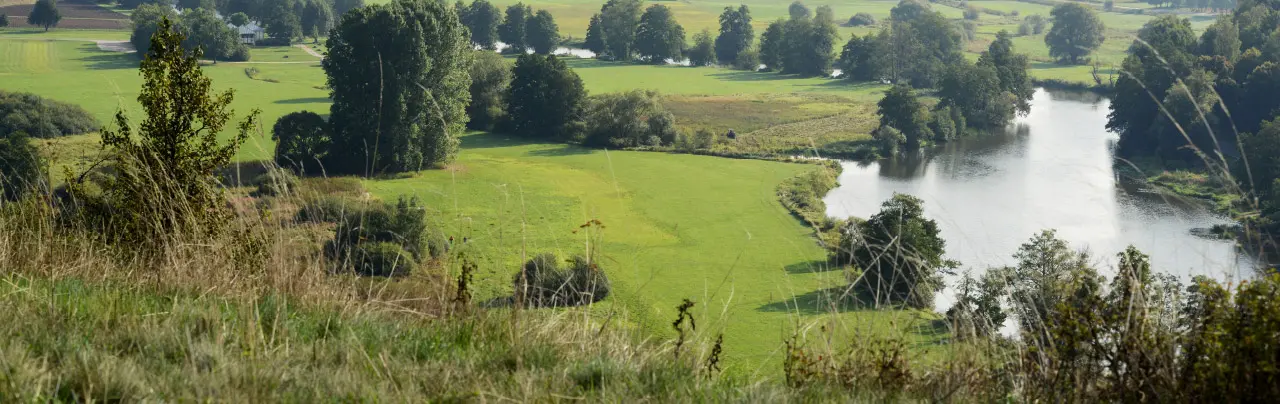
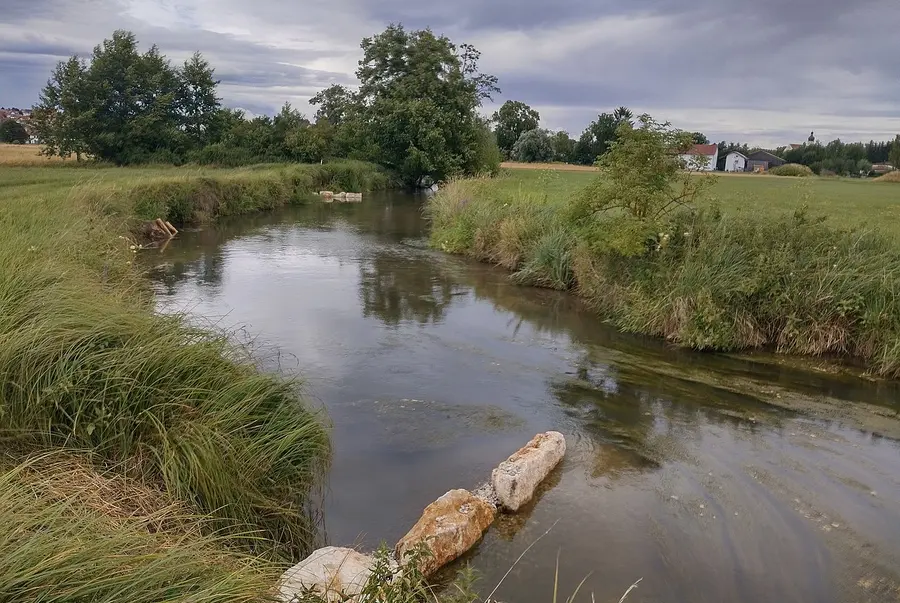
The aim of the project is to promote and optimise the biotope network and to restore and preserve water bodies/moors through specific activities in the districts of Kelheim and Regensburg in the Grosse Laber valley. The intention is to generate positive momentum for practical conservation measures on the ground, which also bring tangible benefit to the local population. The measures serve nature conservation, biodiversity and climate protection, while creating added value for society as a whole. As part of this holistic landscape‑based approach, the project will result in the establishment of an ecological corridor extending for approximately 40 km between the two districts. A further extension is currently being planned, which is expected to more than double its length, reaching all the way to the confluence with the Danube.
Brief description
This project serves as the important pilot initiative within the broader European big picture which promotes the biotope networks and strengthening species protection: EU Biodiversity Corridors (EuroBIOCOR). The concept was developed and financed by the Italian foundation Fondazione Capellino, based in Genoa (northern Italy), whose mission is to preserve biological diversity and combat climate change. Implementation is now also being carried out with financial support from this foundation. The definition and successful delivery of this ambitious project have been made possible thanks to the valuable and fruitful collaboration betweenLandcare Germany (DVL), Fondazione Capellino and the local landcare associations in the districts of Kelheim and Regensburg, which are implementing nature conservation measures to improve landscape connectivity. The measures serve to protect endangered or typical habitats and species and include the development of corridors and consideration of European transport routes such as the Danube. The DVL coordinates the project and supports the landcare associations in their implementation.
Activities
The implementation measures in the European biotope network gained momentum in 2025 in the Grosse Laber valley with the help of the Fondazione Capellino foundation from Italy. The following has already been achieved:
Water on for the moor!
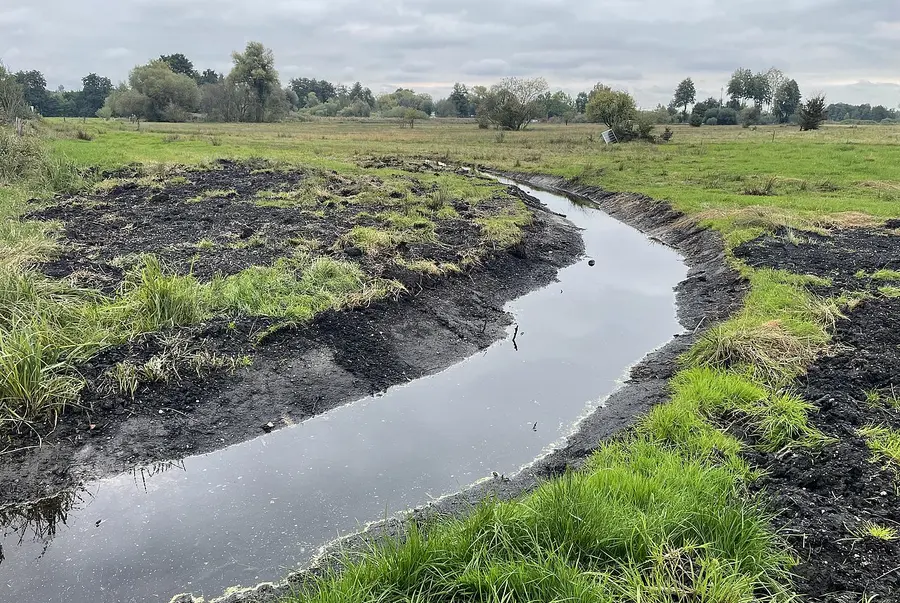
Near Niederleierndorf in the district of Kelheim, life is returning to the lowland moor: thanks to a targeted measure by LPV VöF Kelheim, an old drainage ditch has been tapped – now water can flow back into the moor, seep away and strengthen nature. The result? More moisture, more diversity, more habitat for rare species.
Species-rich grassland
Near Niederleierndorf, a 0.6-hectare area has been prepared for the promotion of biodiversity: following clearing and mulching in spring 2025 and protective measures in autumn, the area is now ready for sowing with native material in spring 2026 – an important step towards the ecological enhancement of the Laber floodplain
Biodiversity through cattle grazing
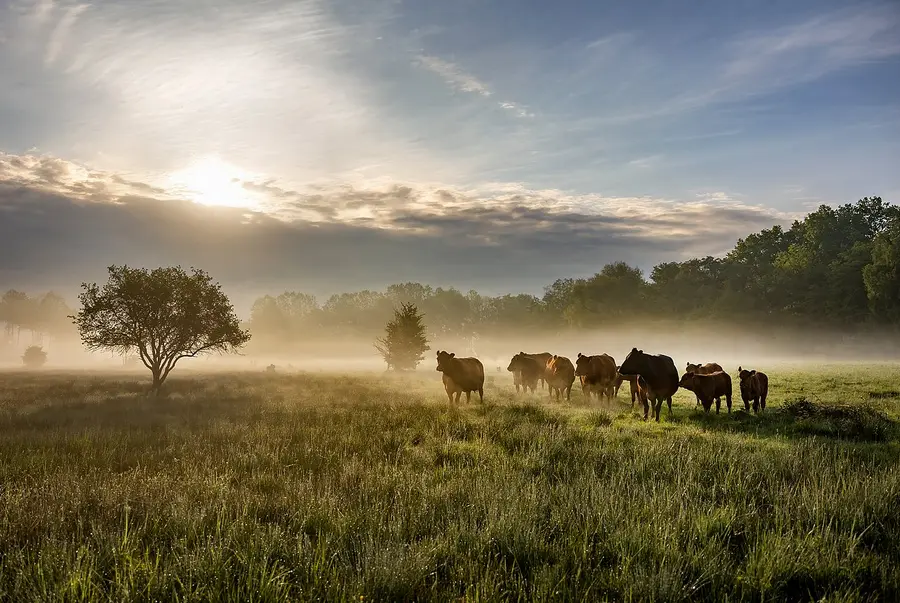
In the Grosse Laber valley near Niederleierndorf/Kelheim, cattle keep the wet meadows open, provide structural diversity through their footfall and thus create habitats for endangered plants and animals. According to the results of an ornithological study conducted in 2025, new grazing areas are now to be developed and extensive grazing with cattle expanded in two areas.
Labertal Ox – nature conservation meets culinary delights
Sustainable meat production in harmony with nature conservation – extensive cattle grazing in the Labertal valley near Langquaid in the district of Kelheim shows how it can be done! With a new logo, roll-up banner and pasture fence banner, attention is drawn to nature conservation through extensive cattle grazing and people are encouraged to enjoy the produce.
Save the tree frog!
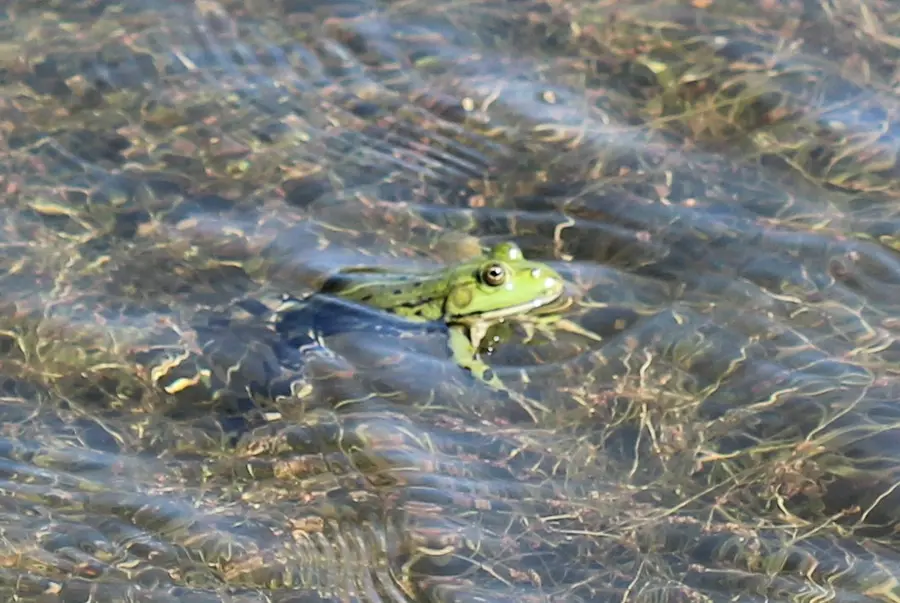
In 2025, a targeted monitoring exercise in the Grosse Laber valley in the district of Regensburg found that hardly any amphibians remained – and no tree frogs or small water frogs at all! To ensure that these species have a future, the LPV Regensburg plans to create new spawning grounds over the next few years. Working together for more habitats and biodiversity!
Community work pays off!
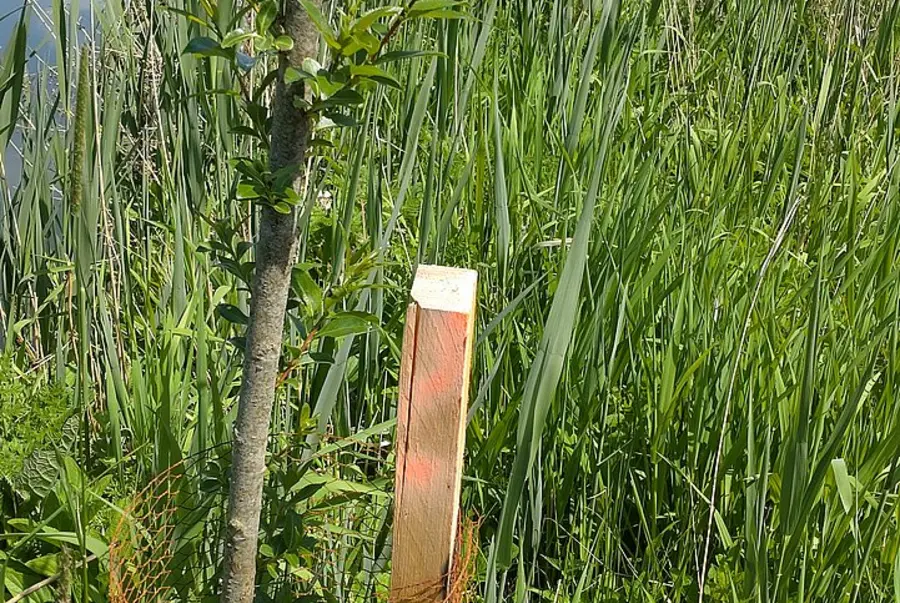
The more than 250 willow cuttings planted in April by volunteers from the Schierling Angling Club in the district of Regensburg along ditches and, above all, on the banks of the Grosse Laber river are already sprouting. Soon, the willows will provide shade for the waterways and help protect the climate and biodiversity.
New gravel spawning grounds for more life in the Grosse Laber
Two new gravel spawning grounds have been created to improve the water structure of the Grosse Laber near Schierling in the district of Regensburg. Here, fish such as common nase, grayling and barbel now have space and perfect conditions for spawning again.
Biotope network with new dynamics
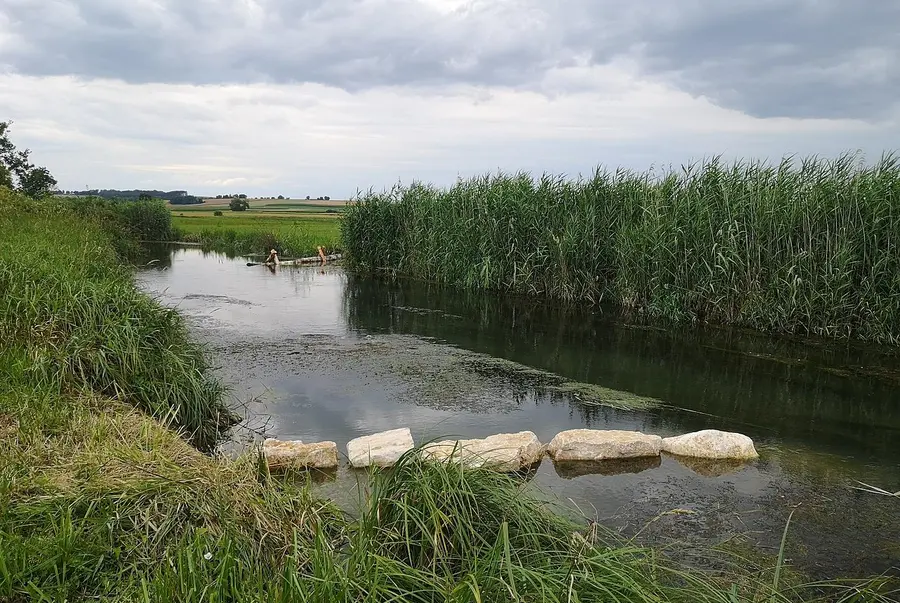
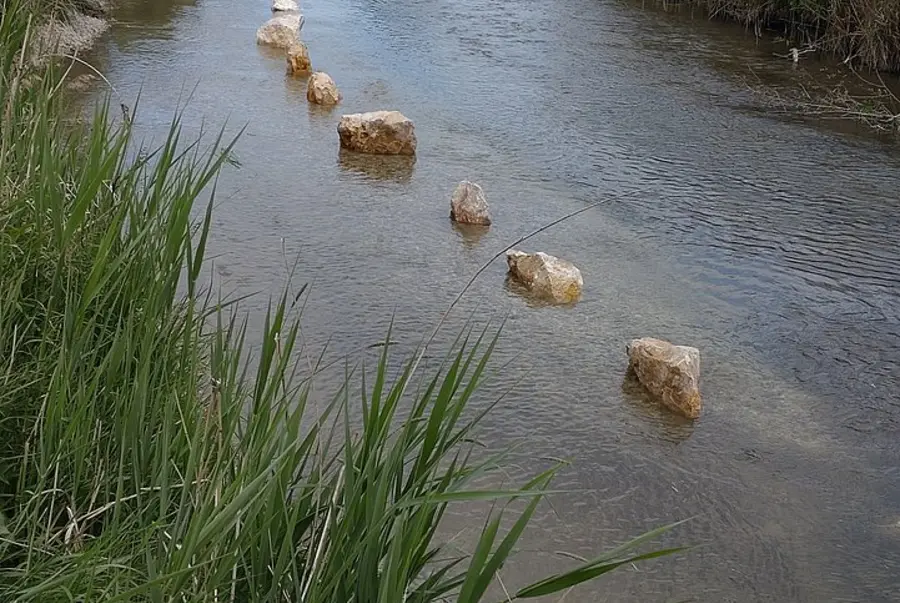
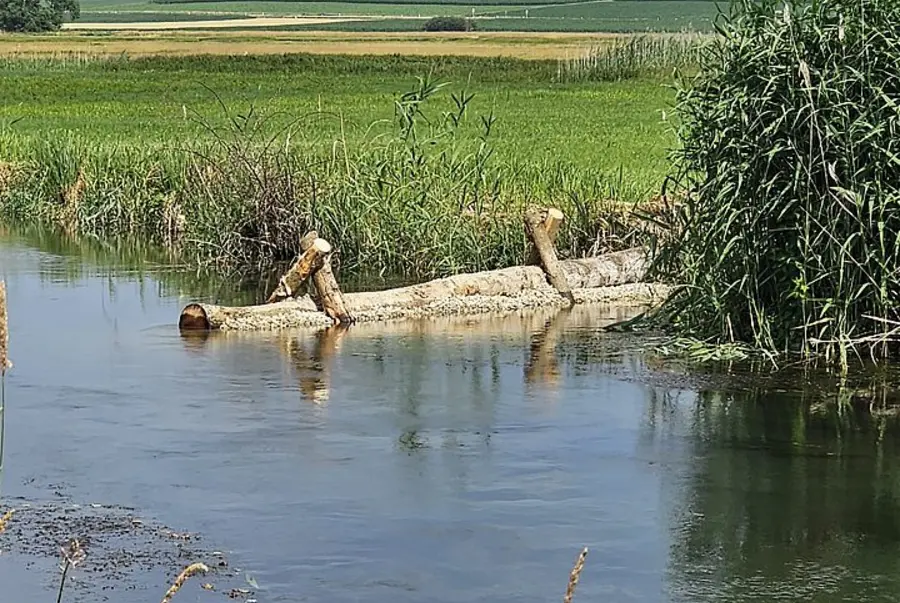
Boulders, rootstocks and timber structures have been installed in the Grosse Laber River in the district of Regensburg near Schierling and are now positively changing the flow dynamics of the river. They also promote ecological diversity and help to restore natural water structures. Young fish in particular find shelter and food in these structures.
Natural redesign over 5 kilometres
In 2025, the LPV Regensburg redesigned the Grosse Laber near Schierling over a length of approximately 5 kilometres using boulders, rootstocks, wooden structures, gravel spawning grounds and willow cuttings. More structure, more dynamism, more diversity, more habitat – for a vibrant river landscape in the district of Regensburg.
Dragonfly monitoring 2025
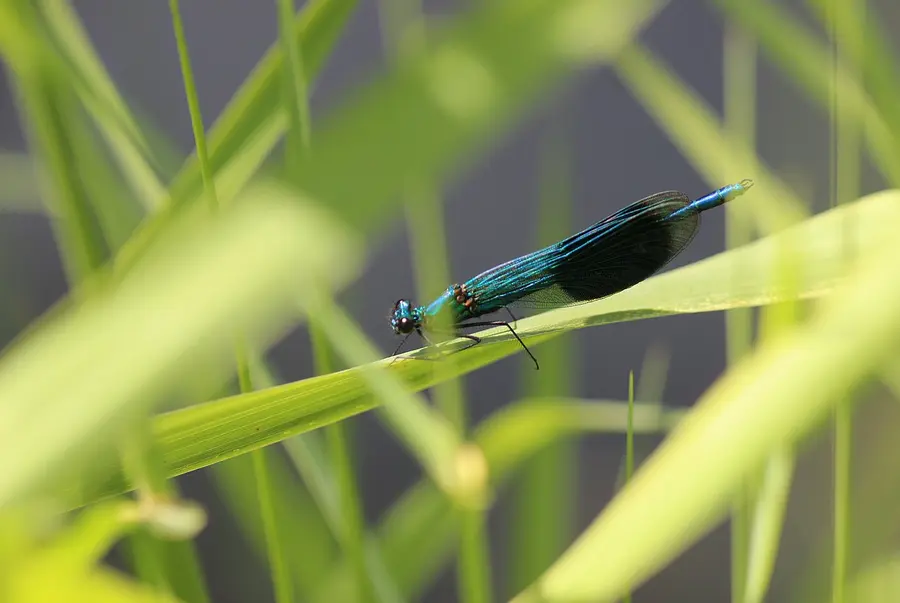
In the summer of 2025, 17 species of dragonflies were recorded along the Grosse Laber river in the district of Regensburg, including five species that are definitely native to the area. The banded demoiselle and the White-legged damselfly were particularly common, while rare species such as the small pincertail were only found sporadically. Initial recommendations for improving habitats include the creation of dynamic flow zones, the creation of standing water bodies and the targeted maintenance and shading of riverbanks. These recommendations confirm the measures already implemented on the Grosse Laber and are to be continued in 2026.
Labertal Rangers: Kick-off for the training programme
In the district of Regensburg, rangers are to be trained as competent contact persons in the Labertal valley. Preliminary planning from 2025 will enable a six-day training course on key nature conservation topics to be held from 2026 onwards, in collaboration with external experts and a training concept that has been developed, supplemented by information material and strategies for action.
Biodiversity needs strong partnerships!
In an exclusive interview, MEP Maria Noichl, Chair of German Landcare (DVL), talks about a groundbreaking project: the creation of a biodiversity corridor in Bavaria along the Grosse Laber River – supported by the Italian foundation Fondazione Capellino. Watch the interview (in German with English subtitles) now: https://youtu.be/l8mLahoYrF8
Stay tuned for forthcoming updates on the implementation of this important ecological corridor and on the exciting extensions currently being planned!
Duration
2023 - 2027
Partners
Partners and Funders
Contact
Bernd Blümlein
National Office
Deputy Managing Director
Promenade 9
91522 Ansbach
- Phone:
- +49 981 / 1800 99-20
- Email:
- b.bluemlein@dvl.org
Contact
Karin Blümlein
National Office
Project Manager
Promenade 9
91522 Ansbach
- Phone:
- +49 981 / 1800 99-29
- Email:
- k.bluemlein@dvl.org
Website
Project website
German version
WebsiteFunders
Fondazione Capellino
Website